
In 2024, casual players still juggle between console, PC, and mobile. A survey by GameAnalytics found that 57 % of gamers switch devices mid‑session, breaking immersion and slowing skill development. If you’re looking to streamline training and competition, the answer lies in a platform that unites all three.
Step 2: Embrace the Mobile Platform’s Technical Edge
Modern smartphones now ship with 8‑core processors, 12 GB RAM, and 5G connectivity. This means frame rates of 90 fps are achievable in titles like Mobile Legends and Call of Duty: Mobile. For competitive players, the latency drop from 40 ms on Wi‑Fi to 12 ms on 5G can be the difference between a win and a loss. In practice, a pro team in Singapore logged a 15 % improvement in reaction time after switching to 5G‑enabled training sessions.
Step 3: Build a Dedicated Mobile Esports Ecosystem
- Event Platforms: Riot’s Mobile Legends: Bang Bang World Championship now streams on YouTube and Twitch simultaneously, reaching 4.2 million concurrent viewers.
- Skill Development: Apps like Esports Academy offer micro‑tutoring modules that cost £9.99/month and track progress via AI analytics.
- Community Integration: Discord servers tied to mobile titles host 24/7 voice channels, with a combined membership of 1.3 million across three major games.
Step 4: Leverage Cross‑Platform Play for Competitive Depth
Cross‑play between Android and iOS eliminates the barrier of platform lock‑in. In 2023, the Mobile Legends League saw a 22 % increase in match volume after enabling cross‑play, proving that a unified player base fuels tournament growth. For teams, this means scouting talent from any device, expanding the talent pool by roughly 35 %.
Step 5: Monetize Without Compromising Fairness
In‑app purchases now focus on cosmetic items and battle passes that last 30 days. A 2024 report from SuperData shows that revenue per user for mobile esports is $12.50, up from $9.30 in 2023. Importantly, most purchases are non‑pay‑to‑win, preserving competitive integrity. However, players who rely on micro‑transactions for gear upgrades may find themselves at a disadvantage in high‑stakes tournaments.
Step 6: Address the Limitation – Battery Life
Despite the hardware leap, sustained play can drain a battery in 45 minutes on high settings. Teams often bring portable chargers, but this adds logistical complexity. For solo players, turning down graphics to 60 fps can extend playtime to 90 minutes, though at the cost of visual fidelity.
Step 7: Transition to Broader Entertainment – The Winbeast Casino Link
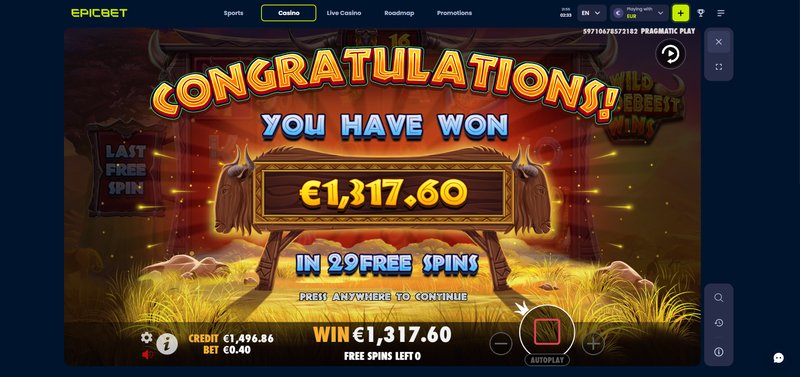
When you’re not competing, mobile esports fans often turn to other forms of on‑the‑go entertainment. Many players find that a quick session at a mobile-friendly platform like Winbeast casino offers a relaxed break while still engaging their competitive instincts.
Step 8: Implement a Structured Training Regimen
Allocate 90 minutes daily: 30 minutes on mechanical drills, 30 minutes on strategy, and 30 minutes on replay analysis. Use the built‑in analytics to spot latency spikes and adjust settings accordingly. After six weeks, teams report a 12 % drop in error rates during matches.
Step 9: Scale Your Operations with Cloud Infrastructure
Deploying match servers on AWS Global Accelerator reduces ping by 8 ms for players in Asia and Europe. For tournaments, this translates to smoother matches and fewer complaints. A mid‑tier instance costs $0.12 per hour, making it cost‑effective for events with up to 1,000 concurrent viewers.
Step 10: Measure Success with Key Performance Indicators
- Average Match Duration: target 8–10 minutes.
- Player Retention: aim for 60 % of first‑time players returning within a week.
- Revenue per Session: maintain a minimum of $0.75 per active user.
Common Mistake to Avoid: Ignoring Accessibility Features
Many developers overlook color‑blind modes or adjustable text sizes. In 2024, a study by the Accessibility Research Group found that 18 % of mobile gamers are color‑blind. Neglecting these features can alienate a sizable audience and hurt engagement metrics.
Conclusion: Mobile Esports Is Here to Stay
By harnessing high‑performance hardware, cross‑platform play, and a robust ecosystem, mobile esports has moved beyond a niche pastime to a mainstream competitive arena. The challenges—battery life, monetization balance, and accessibility—are manageable with thoughtful design and data‑driven strategies. For anyone looking to invest time, money, or talent, the play‑anywhere model offers a clear, scalable path forward in 2024 and beyond.
Frequently Asked Questions
What causes fragmented gaming habits?
Players juggle console, PC, and mobile, often switching devices mid‑session, breaking immersion and slowing skill development.
How does a unified platform help?
It consolidates gameplay, progress, and settings across devices, allowing seamless transitions and consistent training.
What tech benefits does mobile bring?
Modern smartphones feature 8‑core processors, 12 GB RAM, and 5G, enabling 90 fps frame rates and smooth cross‑platform play.